

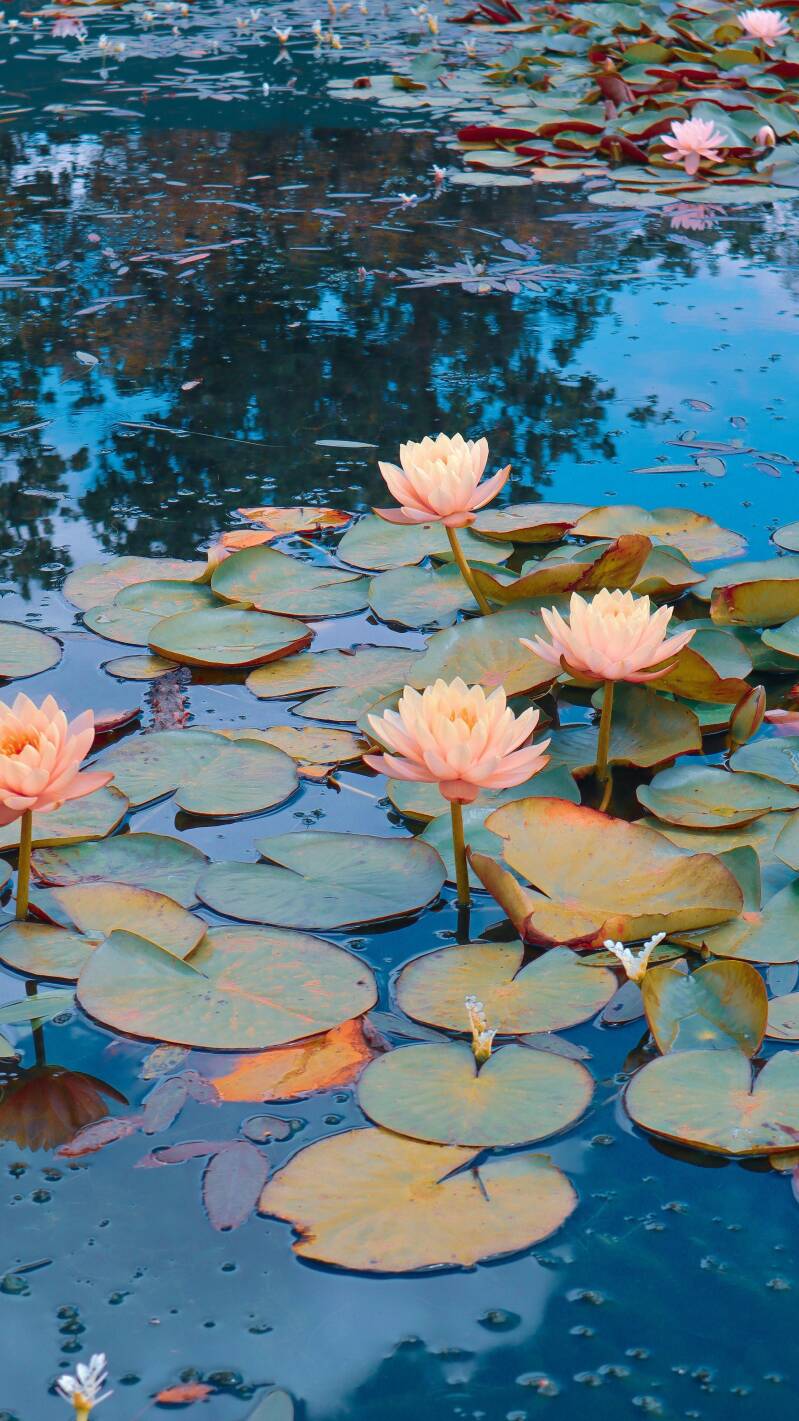
Silent Witness
40 x 80 cm. (15.7" x 31.5")
Available · inquire for pricing · email: robert@nitiredjo.com

There is something deeply satisfying about coming across a beautiful piece of nature like this. A quiet pond, sunlight sparkling on the water, lily pads floating between the reeds, perhaps a heron standing motionless at the edge. The longer you look, the more there is to discover. A frog hiding beneath a leaf. Tiny insects moving across the surface. A fish disappearing into the shadows.
Unfortunately, in nature there is often something else to discover too. A discarded bottle, a food wrapper, or some other piece of litter interrupting the scene. I have often wondered why we are so careless with something we find so beautiful. How can we admire the natural world while treating it as though it were somehow separate from us?We tend to look at ourselves as single, independent individuals moving through an outside world. This sense of separation is an illusion reinforced by the ego. The ego thrives on labels, judgements and boundaries. It creates a rigid sense of “me” versus “the world”.


Standing by this peaceful pond, we see only separate things at first. In our minds, we start naming all the animals, flowers and insects almost immediately. But there is another way to experience nature: by looking beyond form and stepping out of analytical thinking. Entering the stillness of the present moment can become a gateway to connection. When the internal chatter quiets, we can begin to feel the deep, interconnected aliveness shared by animals, plants and ourselves. The false barrier between “me” and “the other” dissolves. In that quiet shift, we start to sense how everything here leans on everything else, how nothing stands alone.
The lily pads cannot exist without the mud at the bottom, the warm sunlight from above, and the water in between. The frog depends on the lily pad for shelter. The fish depends on the water. The insects become food for other creatures. The pond is not a random collection of separate objects; it is one living, interconnected relationship.
When we drop a piece of plastic into the water, we are not just making a pretty view look ugly. We are harming a system that we belong to. The chemicals from that plastic enter the water, move into the soil, and eventually find their way back to us. In a very real way, polluting nature is a form of hurting ourselves.
Nothing we do exists in isolation. Every action becomes part of the world we share, and its effects continue beyond what we can see. We are not separate from nature, but participants in the same living system. I hope that if we can start to see this deep connection, our behavior naturally changes. Protecting the environment shouldn’t feel like a chore or a strict rule we have to follow. Instead, it becomes an act of self-care and respect.
We pick up the trash, we use less, and we tread more lightly because we realize that the health of the frog, the fish, and the insect is directly tied to our own health.
My painting is an invitation to slow down, look beneath the surface, and see past the illusion of separateness. It is a reminder of the vibrant, hidden life that depends on our kindness. It asks us to be more mindful viewers, rather than careless bystanders, so that we no longer leave the pond to be a silent witness to our neglect. When we finally understand that we are woven into this beautiful tapestry of nature, we stop destroying it. We start protecting it, simply because we love it, and because we know we cannot survive without it.
"When we see ourselves as part of nature, care becomes an act of belonging."
